
Hurricane Season Tree Trimming Prep: What Tybee Island Homeowners Should Do in 2026
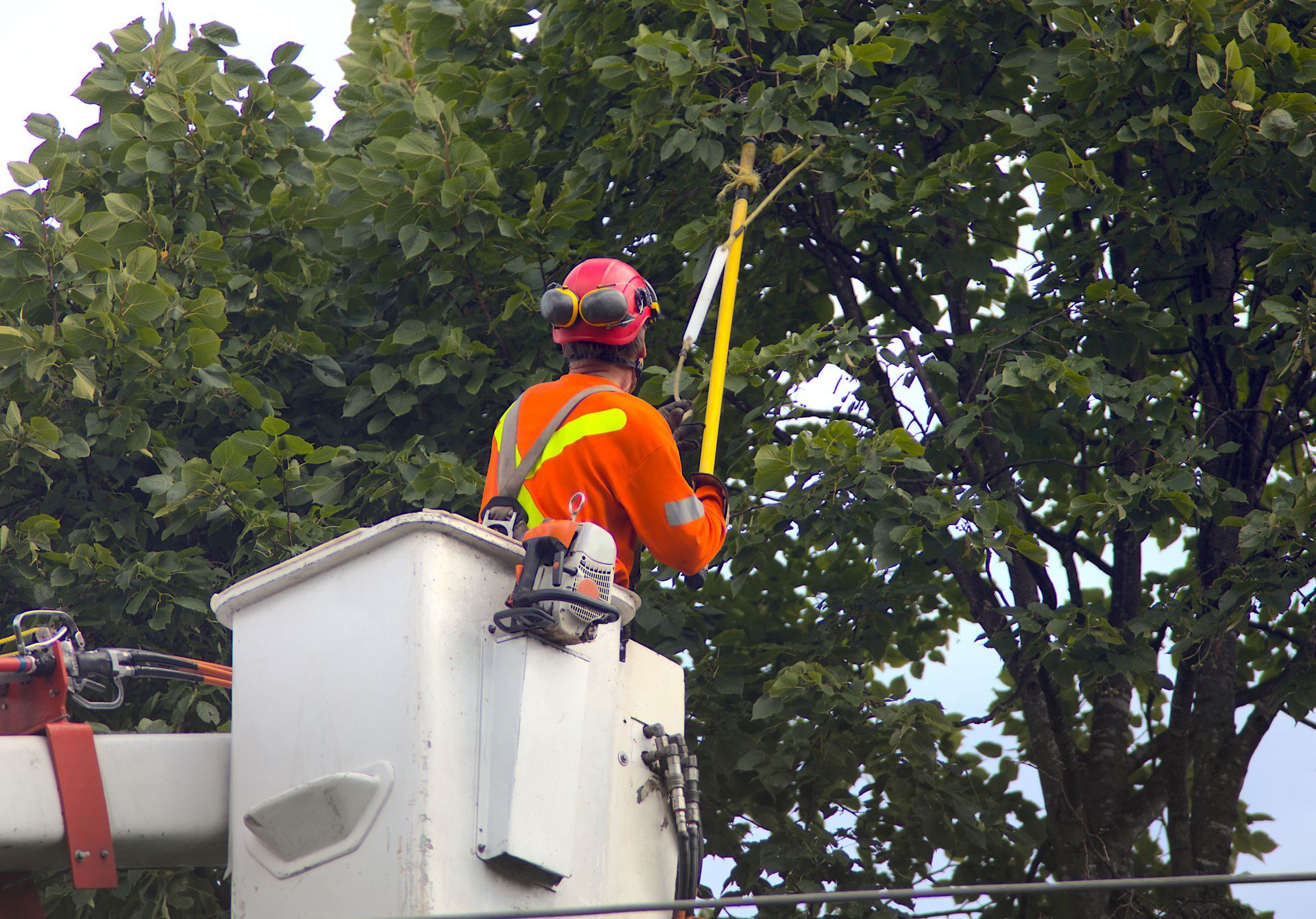
Hurricane season tree prep for Tybee Island homeowners is a topic that matters every year, and 2026 is no different. Even with NOAA projecting a below-normal Atlantic hurricane season, experts are quick to point out that a quieter forecast never eliminates coastal risk. If you own property on Tybee Island, GA, investing in tree trimming in Tybee Island, GA before a storm is on the radar could be one of the most practical steps you take this season.
Why Pre-Season Tree Trimming Matters for Tybee Island Properties
Tybee Island sits directly in the path of Atlantic coastal systems, and its barrier island position means trees are exposed to full wind loads with very little shelter. Waiting until a named storm is approaching leaves little time to act safely or effectively.
NOAA reminds residents that "it only takes one hurricane making landfall to make it an active season," and recommends thorough preparations every season regardless of predicted activity. The same logic applies to your trees. Scheduling tree trimming before August or September means your arborist can assess and work without the rush or backlog that comes when a storm appears on the forecast.
How Does Salt Spray Weaken Trees on Tybee Island?
Salt spray is a slow and often invisible threat. Over months and years of coastal exposure, salt-laden air can compromise tree health in ways that only become obvious when strong wind arrives.
Salt damage appears as burning of leaf margins and tips where ions accumulate, followed by defoliation. Below the surface, salt spray disrupts water balance, reduces photosynthetic capability, and inhibits nutrient uptake. A tree stressed by years of salt exposure may look stable but carry structurally weakened limbs that can fail under hurricane-force gusts.
Pines and other evergreens are particularly vulnerable. On Tybee Island, loblolly pines are common in residential yards and along property edges, and they struggle alongside water oaks and most ornamentals in these conditions over time. Having a professional evaluate your trees for salt stress before hurricane season can identify which limbs are already compromised. Proactive tree trimming is one of the most effective ways to address salt-stressed limbs before they become a liability.
Which Tree Species Pose the Highest Storm Risk on Tybee Island?
Not all trees carry the same level of storm risk. Species matter, and so does condition.
Research on southeastern coastal plain trees shows that live oak, sand live oak, southern magnolia, wax myrtle, and sabal palm demonstrate the highest survival in hurricane-force winds. These are your best long-term options in a coastal yard.
On the higher-risk side, loblolly pine and water oak are the most common problem species on Tybee Island. Pines can develop weak root systems in sandy coastal soils, and salt stress accelerates wood decay. Laurel oak has significantly poorer hurricane survival than live oak or sand live oak. Bradford pears fail catastrophically in coastal settings, as their weak branch structure splits under even moderate winds.
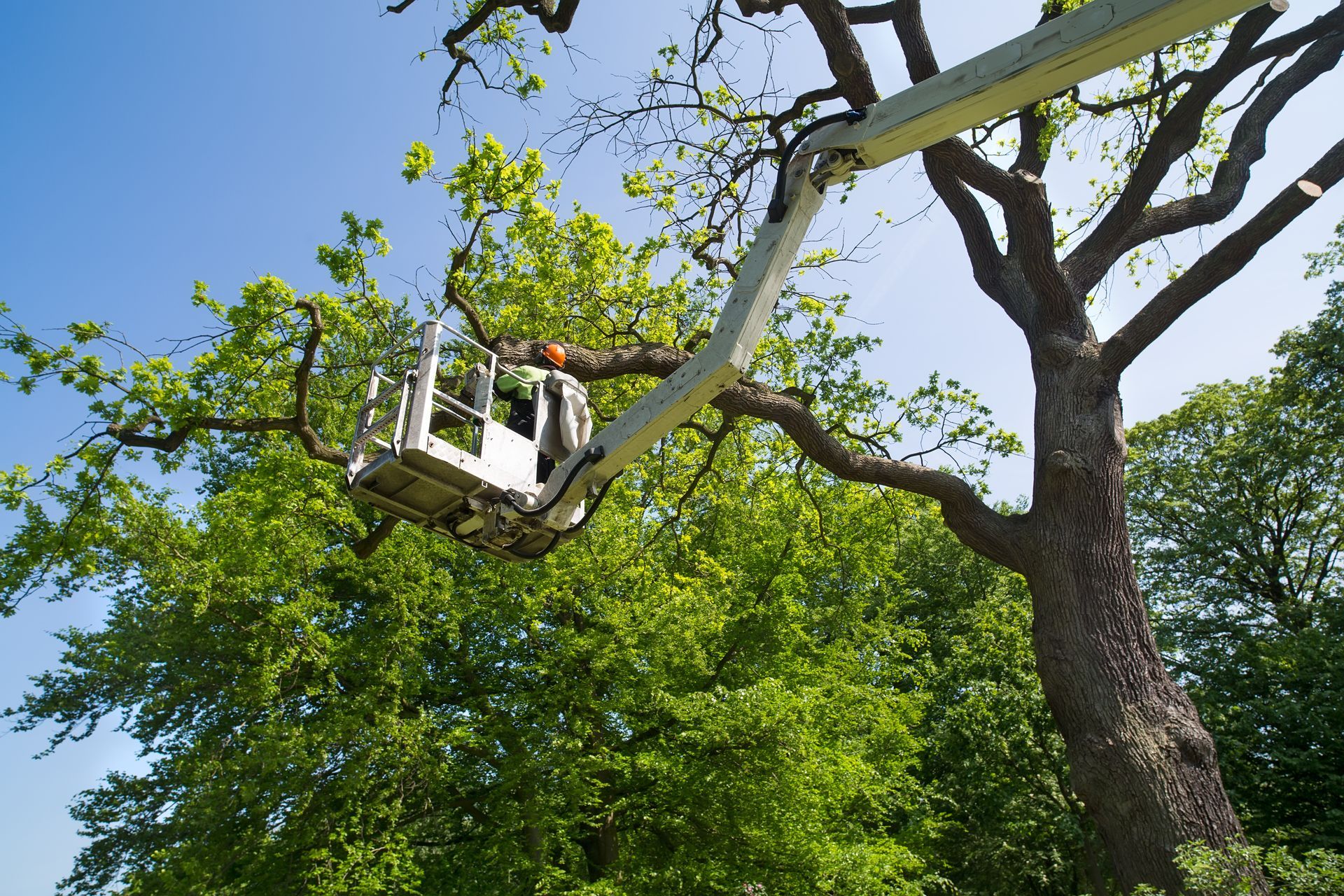
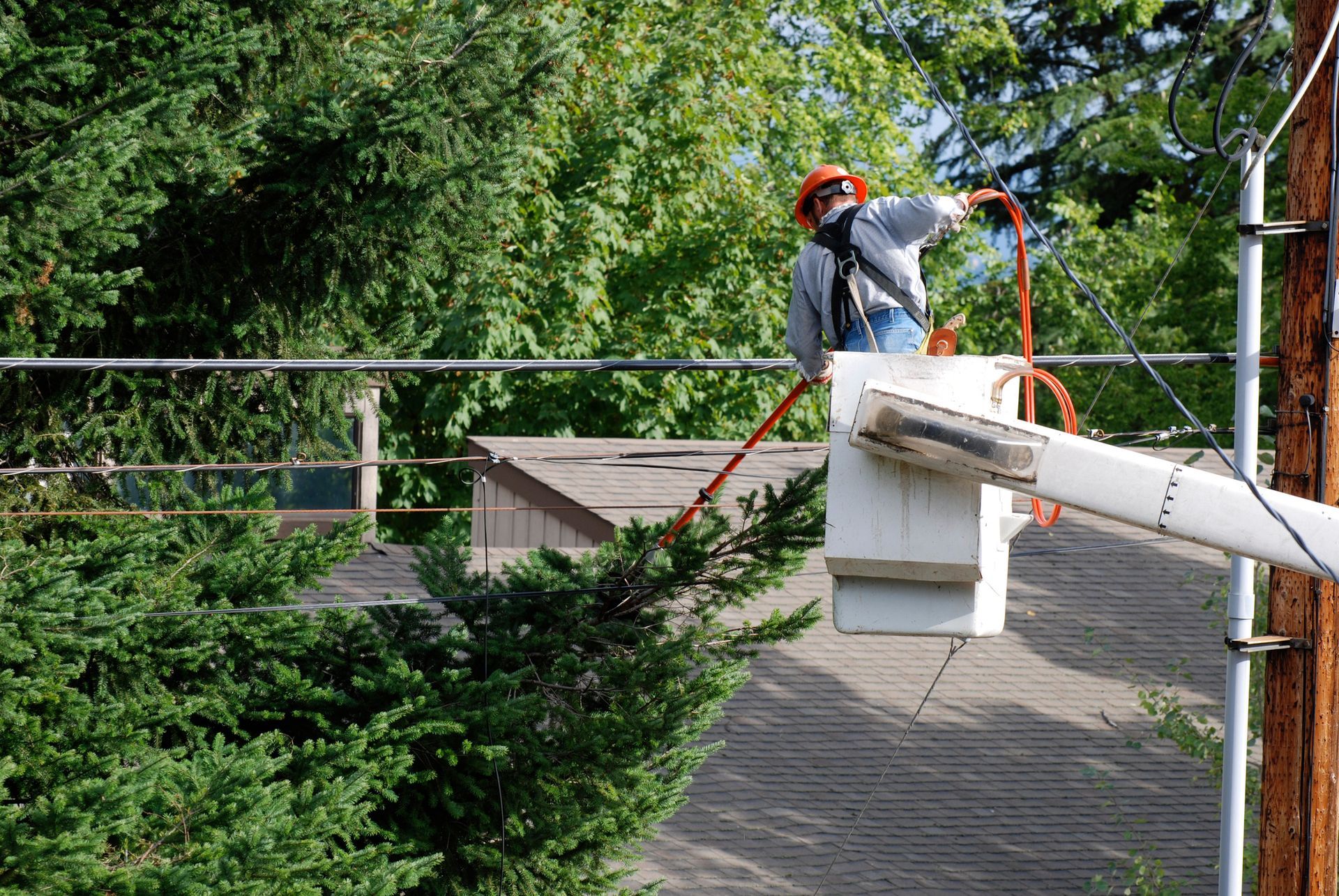
Cabbage palms are common along the Georgia coast and are highly hurricane-resistant, making them a lower concern. The greater risk is typically large pines or water oaks growing near rooflines, driveways, or utility lines. For those higher-risk species, routine tree trimming can reduce crown weight and improve the odds a tree survives without damaging your home.
Before the Storm Checklist for Tybee Island Homeowners
Use this list to guide your preparation before peak season arrives in August and September:
- Walk your property and note any trees leaning toward the house, garage, or power lines.
- Look for dead or hanging branches, which are often the first to fall in strong winds.
- Check for signs of salt stress such as brown leaf edges, early defoliation, or sparse canopies.
- Identify large pines or water oaks within striking distance of any structure.
- Call a licensed arborist to assess high-risk trees before the busy season begins.
- Ask your arborist about crown thinning to allow wind to pass through rather than push against dense canopies.
- Keep a record of all tree care work for insurance documentation purposes.
Completing this checklist by late spring or early summer puts you ahead of the seasonal rush and gives you more scheduling flexibility with your arborist.
When to Call a Pro vs. Handle It Yourself
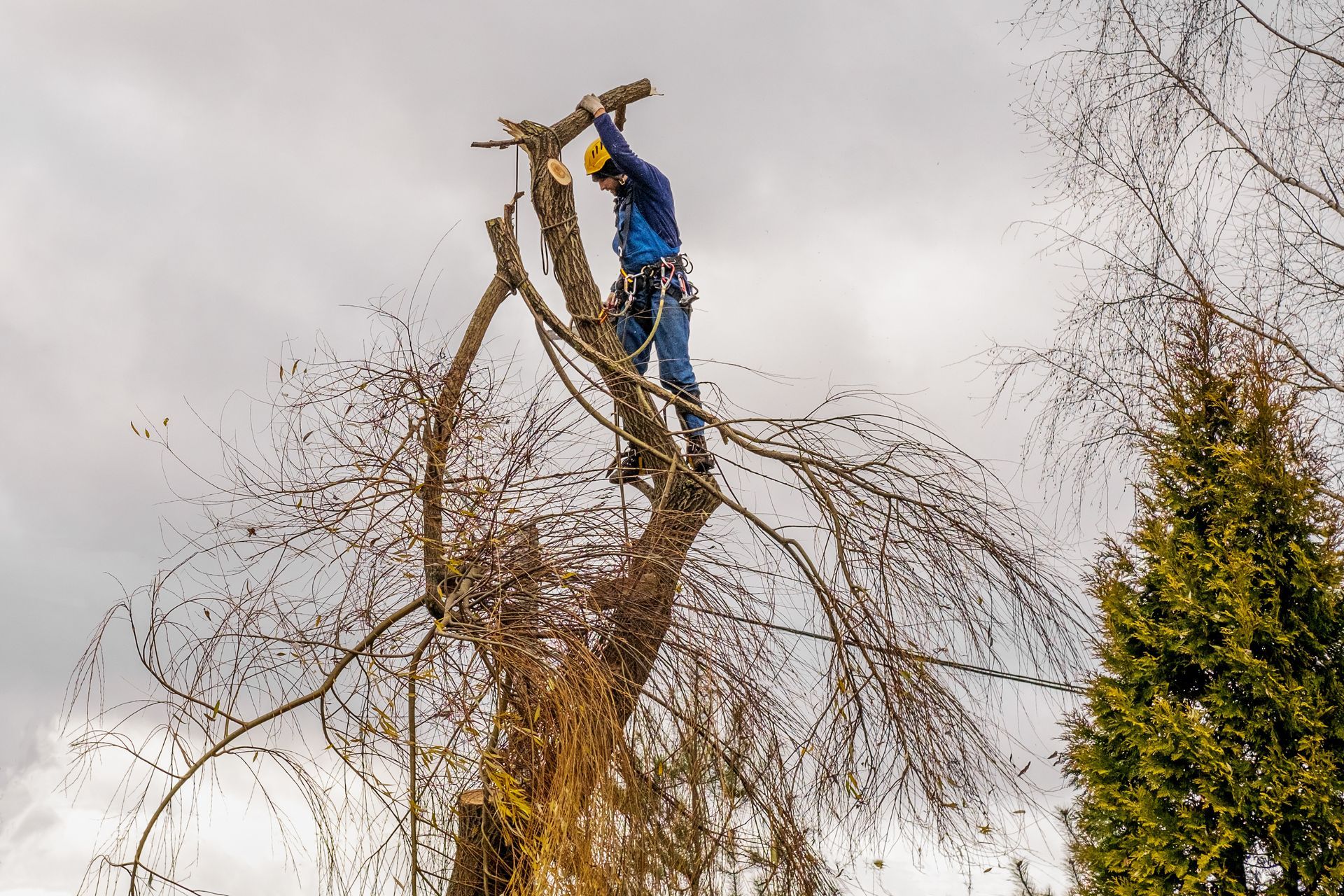
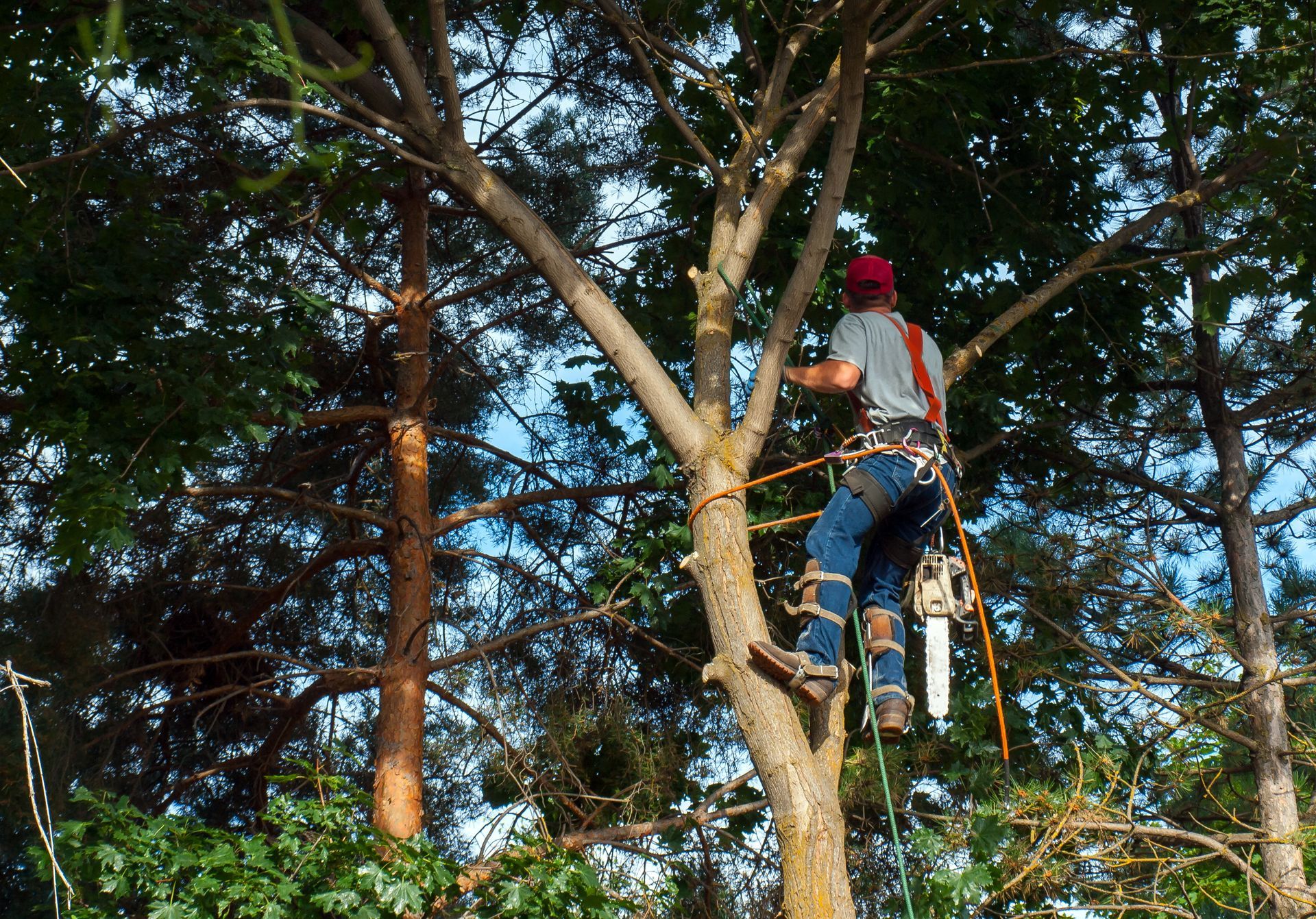
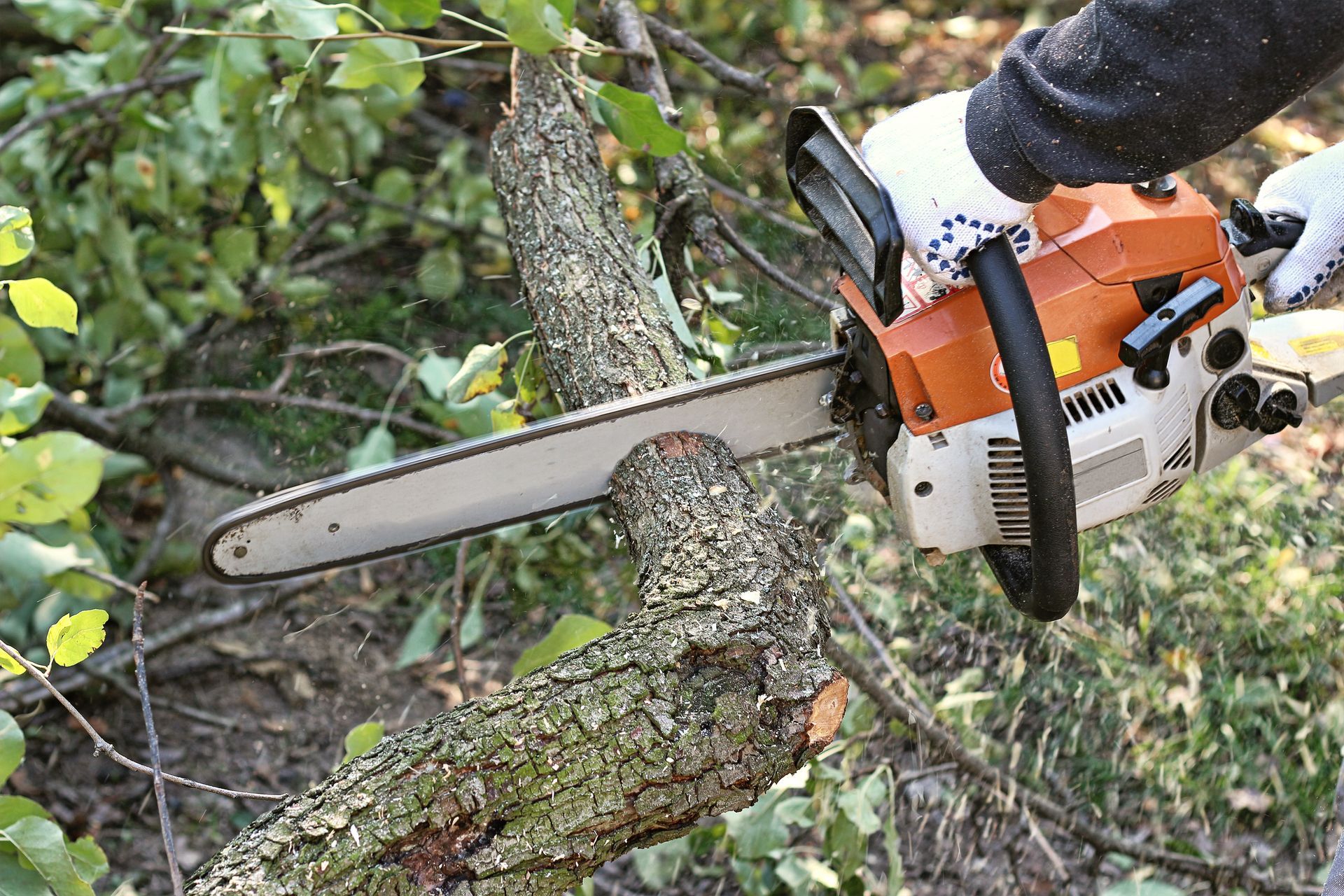
Some light pruning of small branches can be a reasonable DIY task for a careful homeowner. Anything involving tall trees, limbs near power lines, or trees showing decay or lean is a job for a trained professional.
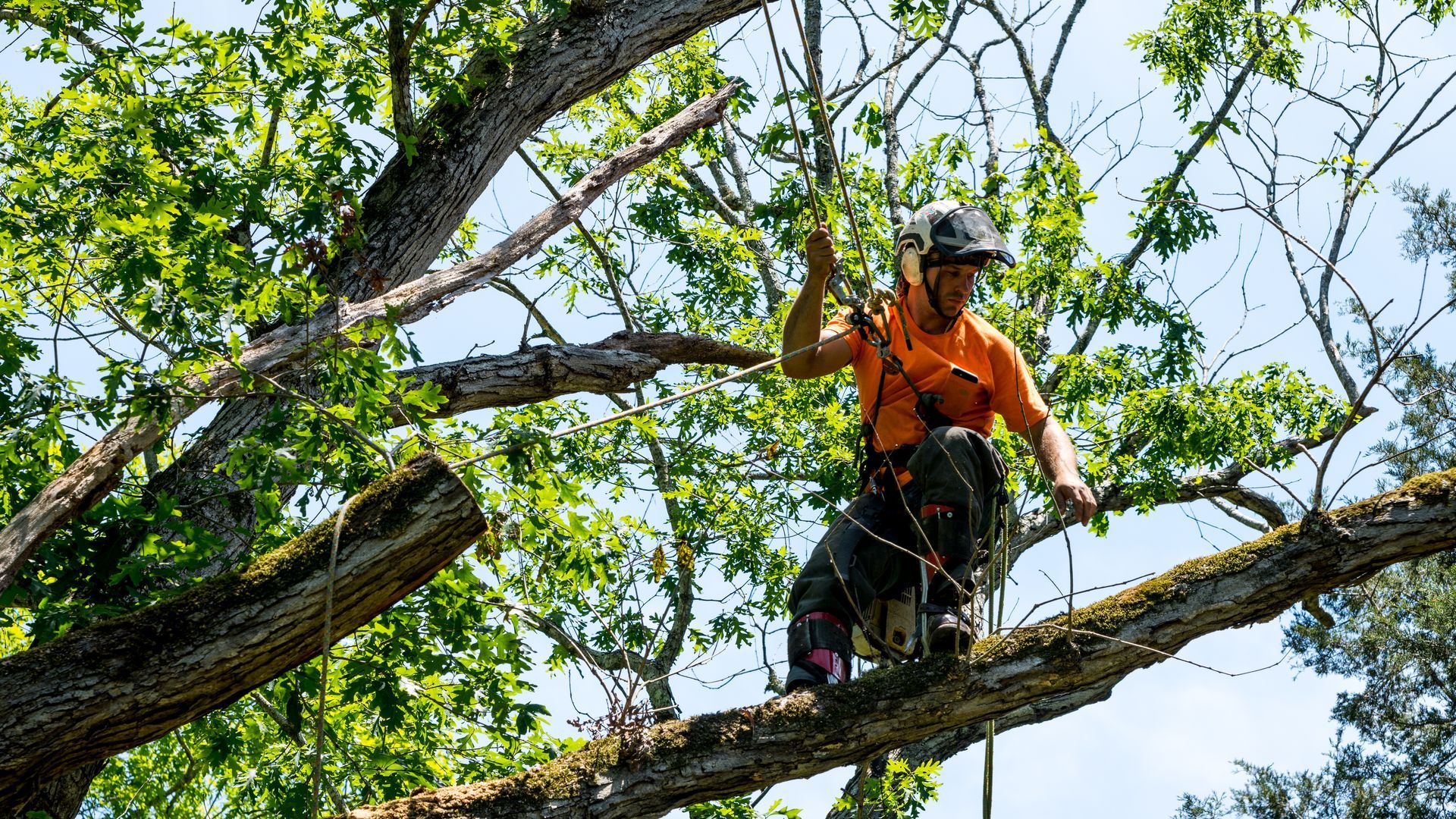
Experienced arborists understand the unique challenges of coastal tree care, where salt air, hurricanes, and sandy soil require specialized knowledge. A professional can spot decay patterns, root problems, and structural flaws that a homeowner is unlikely to notice.
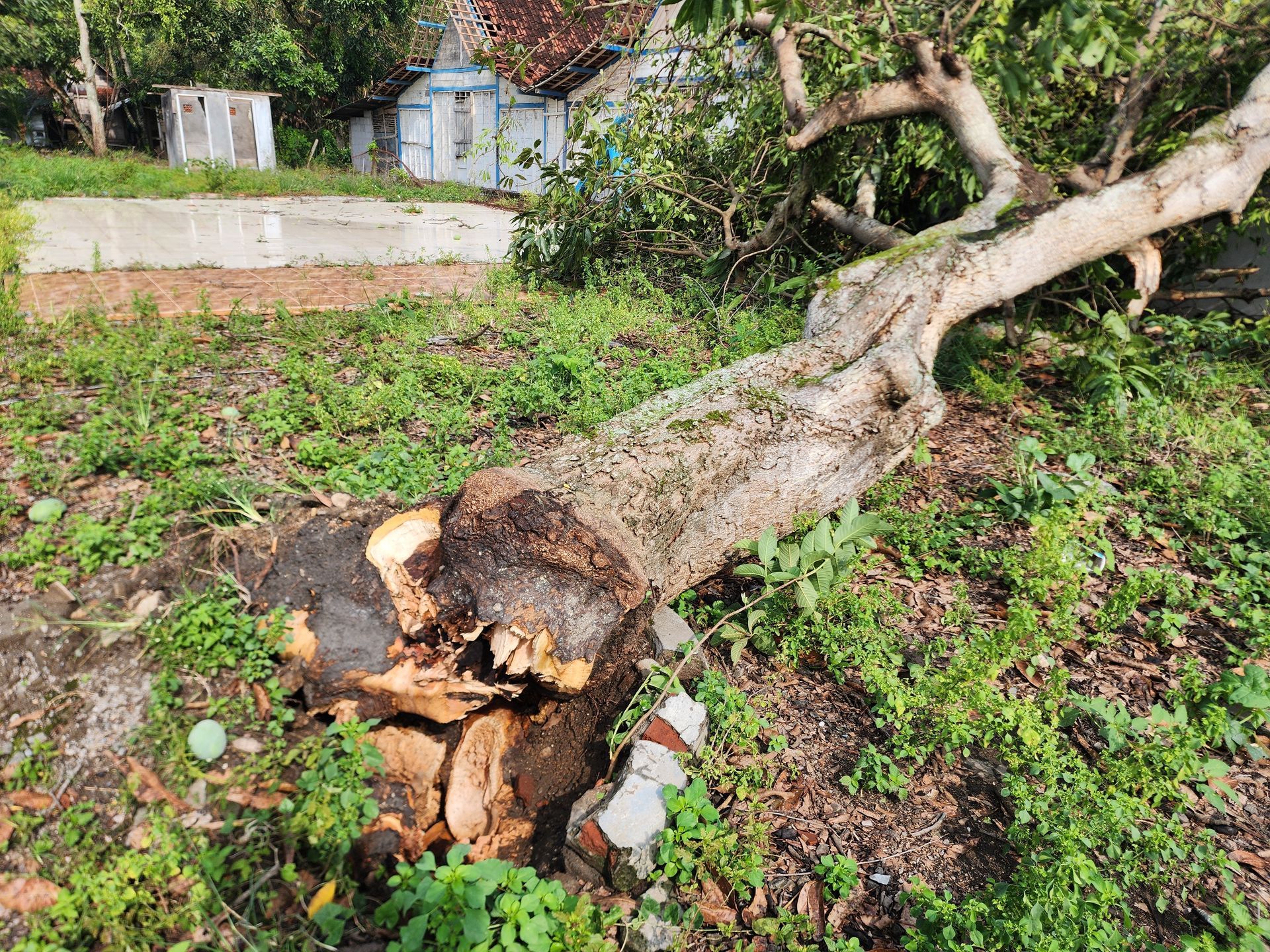
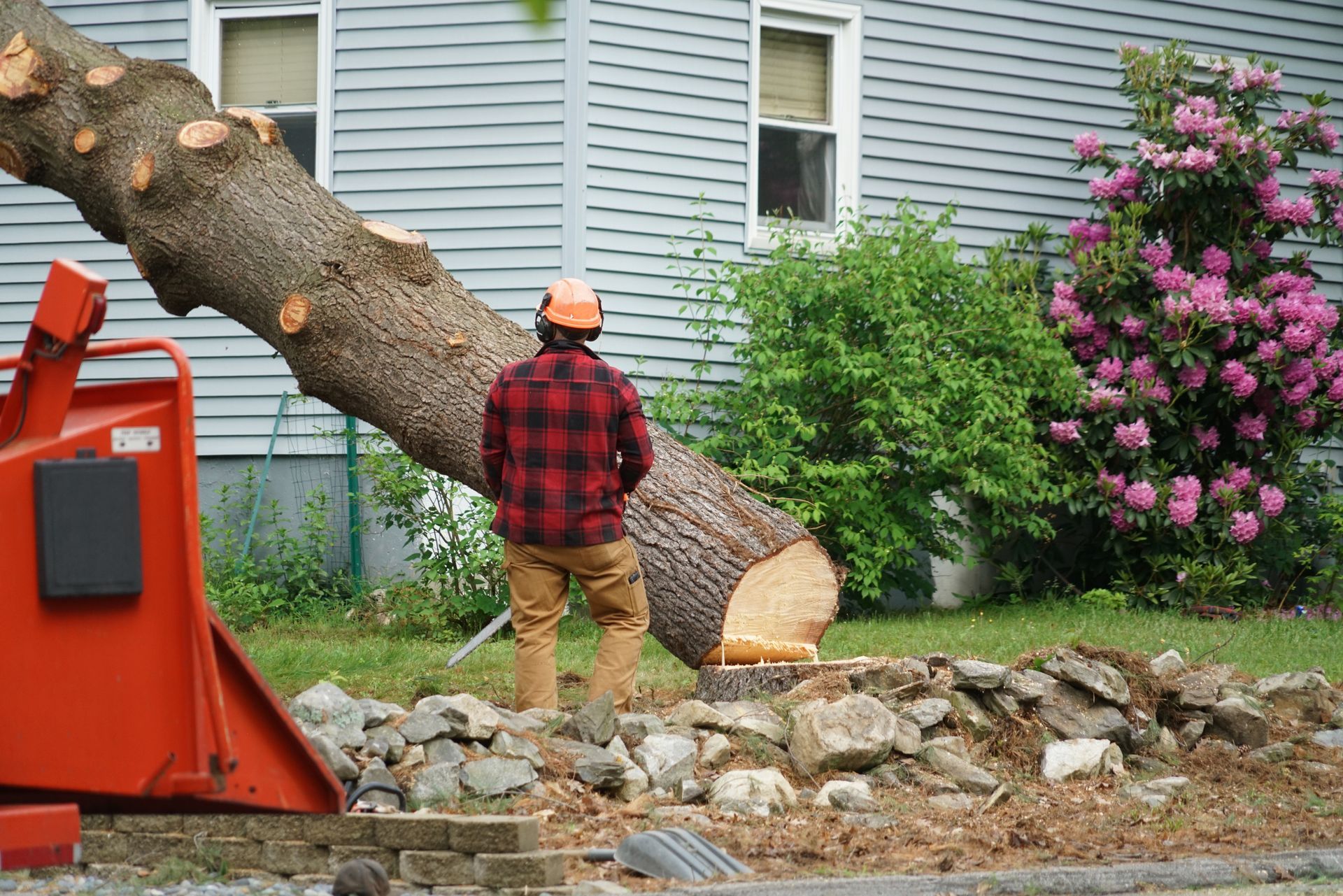
If a storm strikes before you have had time to prepare, do not attempt to remove large fallen trees yourself. Emergency tree services are available to respond quickly and restore safety. Saving the contact information for a licensed, insured tree service before storm season means you are not searching for help during or after the event.
Get Your Trees Ready Before the Season Peaks
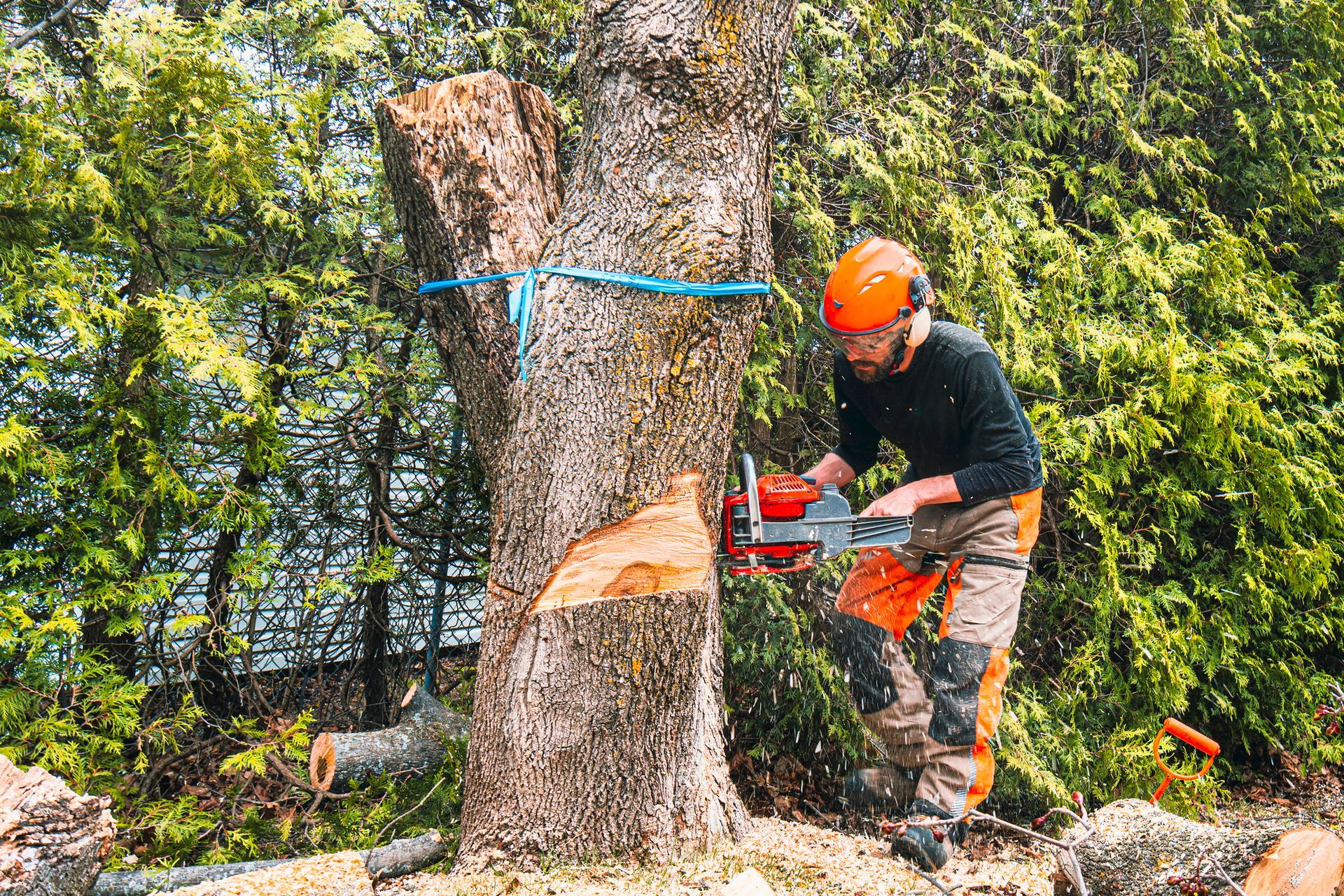
Tree Master of Savannah, Inc. serves Tybee Island homeowners with professional tree care designed for the coastal Georgia environment. The team provides tree trimming and pruning services, as well as 24-hour emergency response when storms strike. With over 30 years of experience in the Savannah area, they understand what coastal trees need to stay healthy and storm-ready.
Request your free tree evaluation before peak season arrives.
Contact us to schedule your assessment. You can also find
Tree Master of Savannah, Inc. on Google to read reviews from your neighbors across Tybee Island and the greater Savannah area.