
6 Signs You Need Hazardous Tree Removal in Richmond Hill, GA
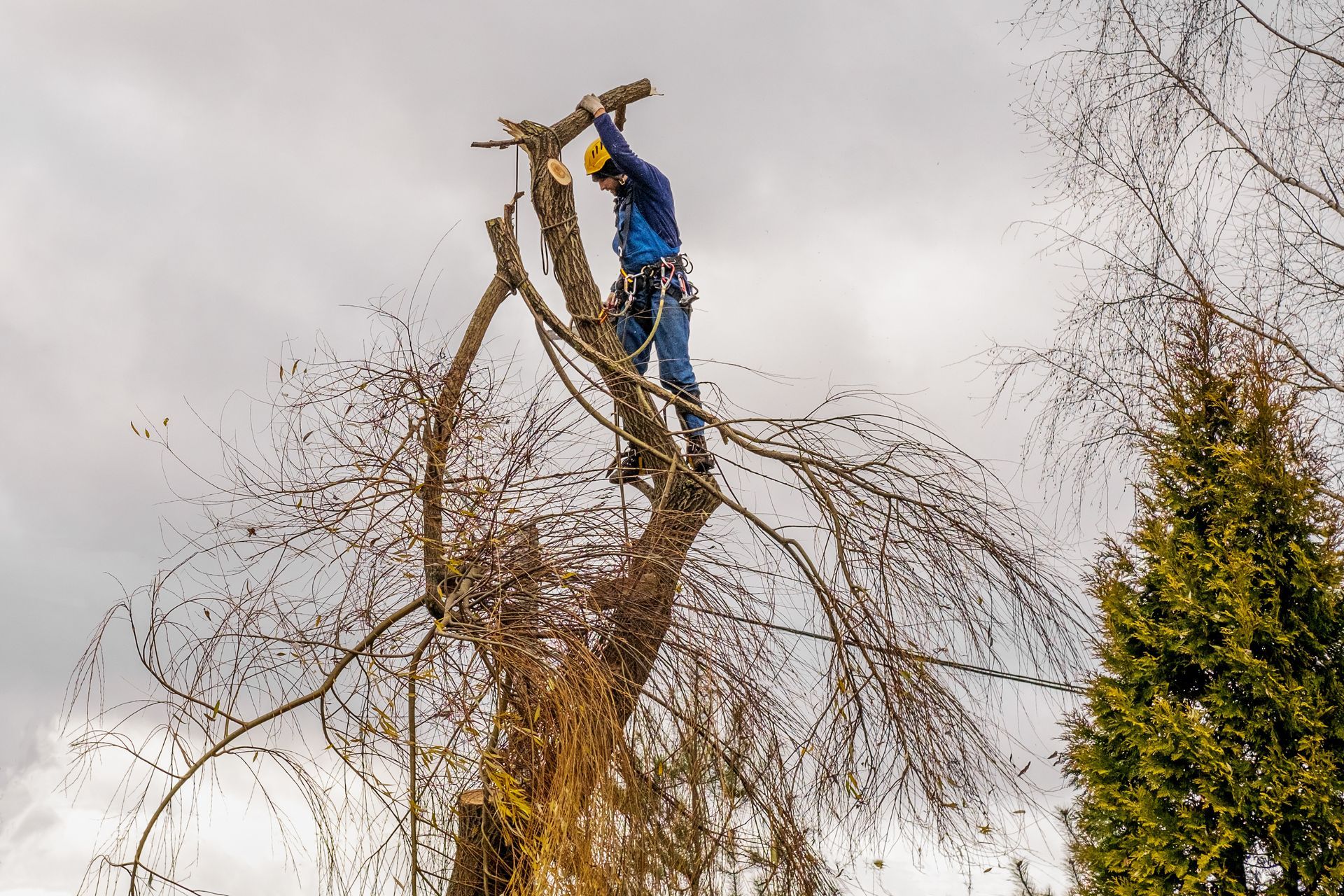
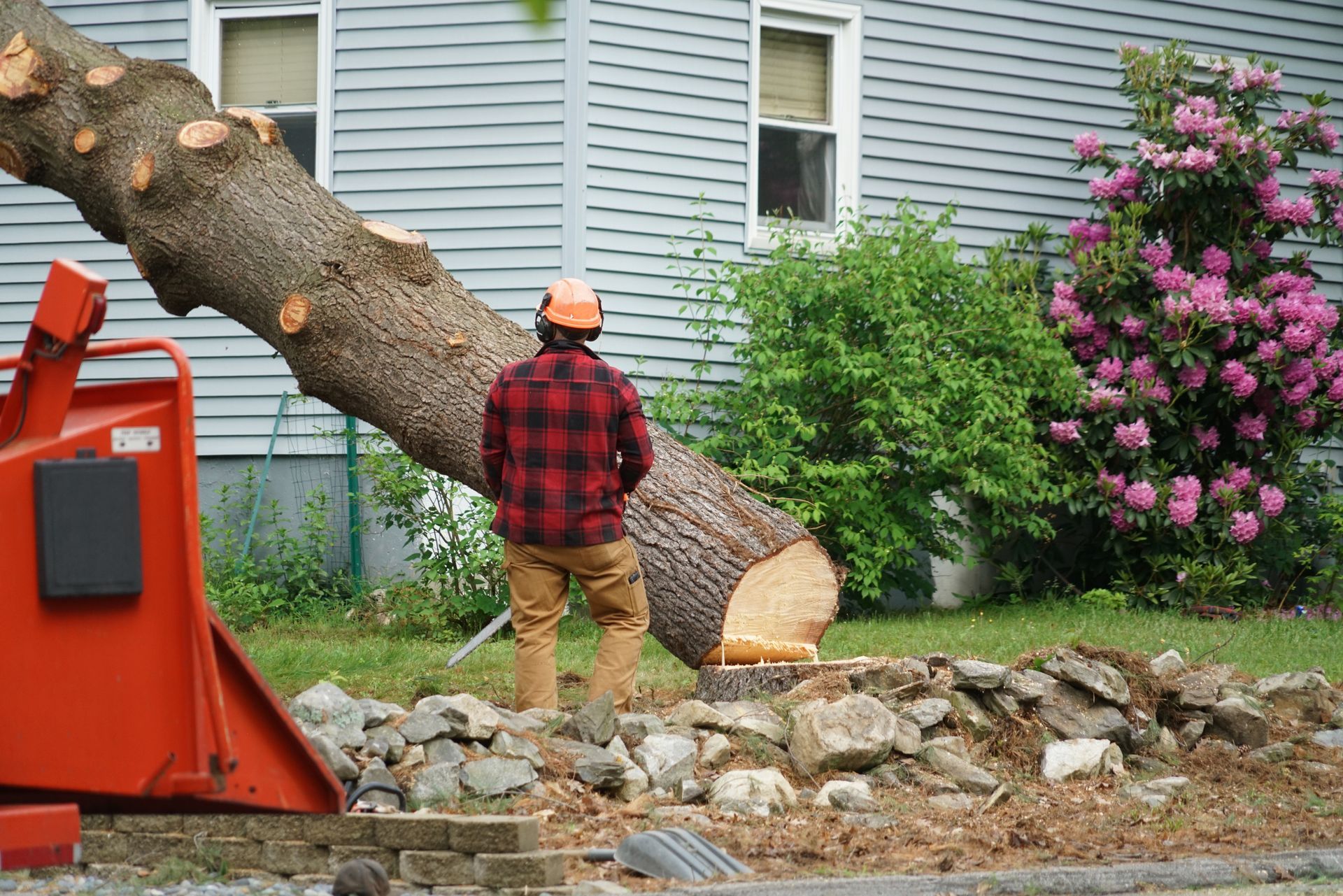
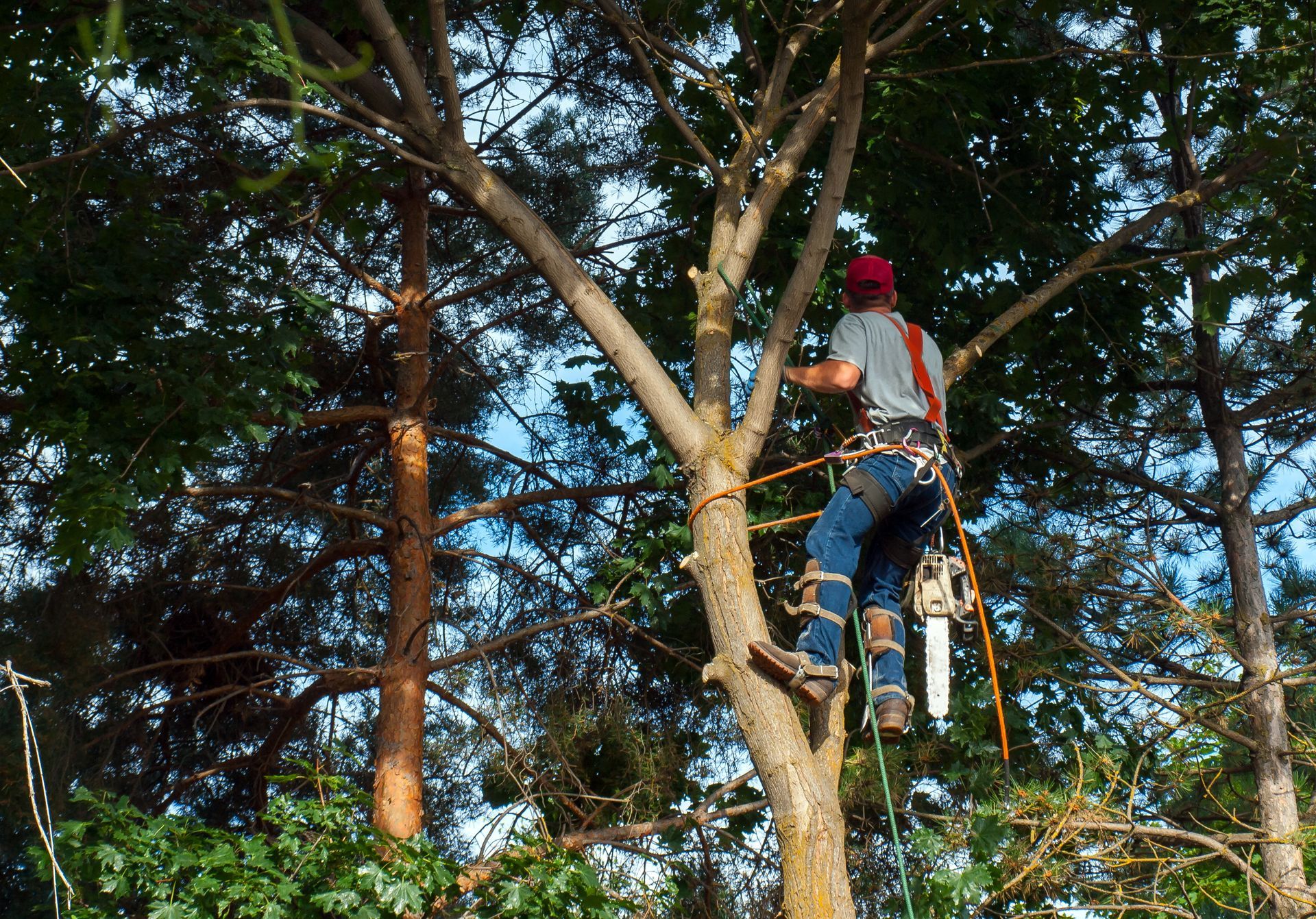
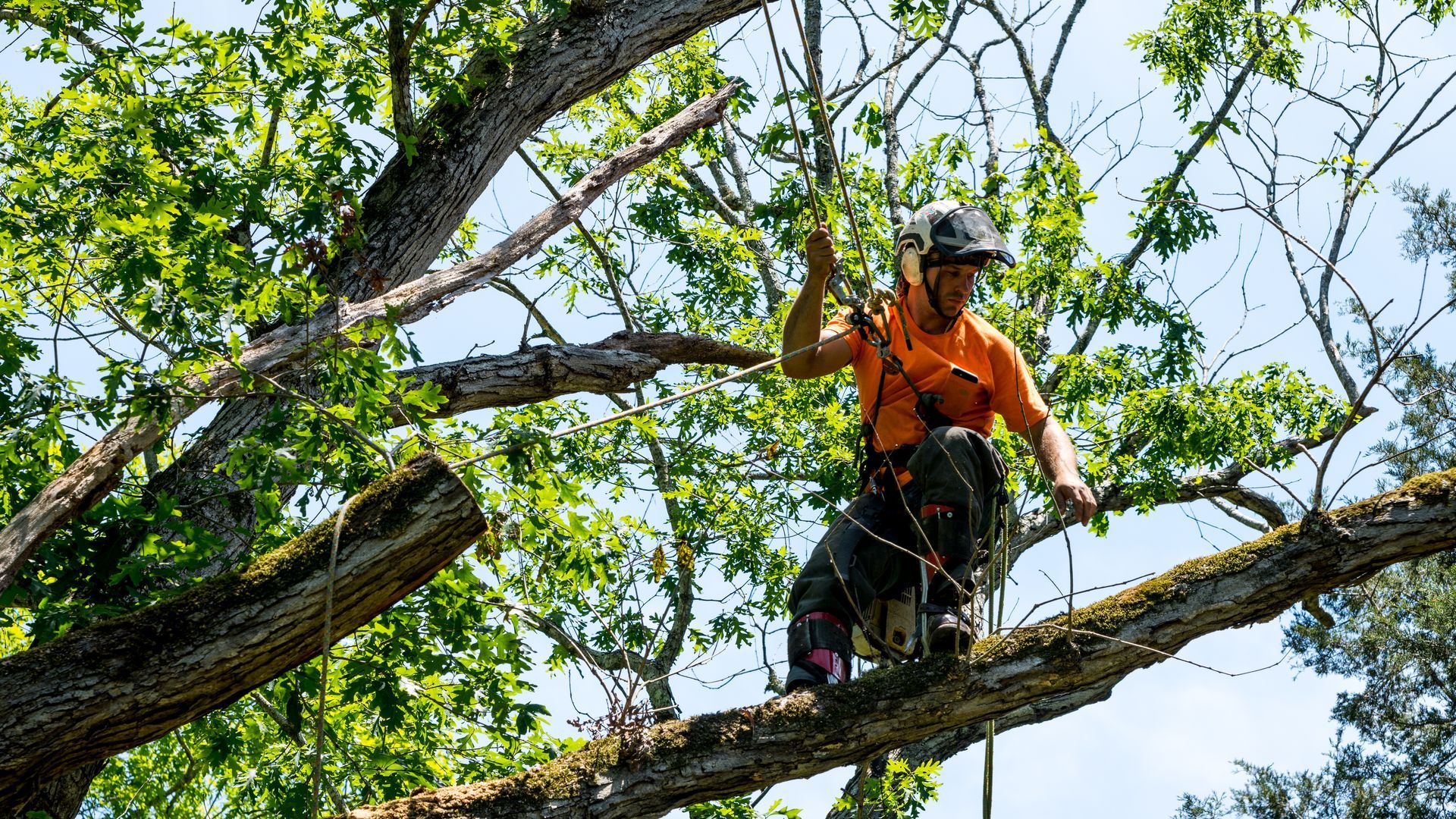
Hazardous tree removal in Richmond Hill, GA, protects your property, neighbors, and family from serious injury or damage. Every Bryan County homeowner should know when live oaks, loblolly pines, and longleaf pines shift from healthy to dangerous, especially near Ford Field, Richmond Plantation, and the Ogeechee River corridor.
6 Warning Signs That Demand Hazardous Tree Removal
Lean, Root Heave, and Bark Cracks
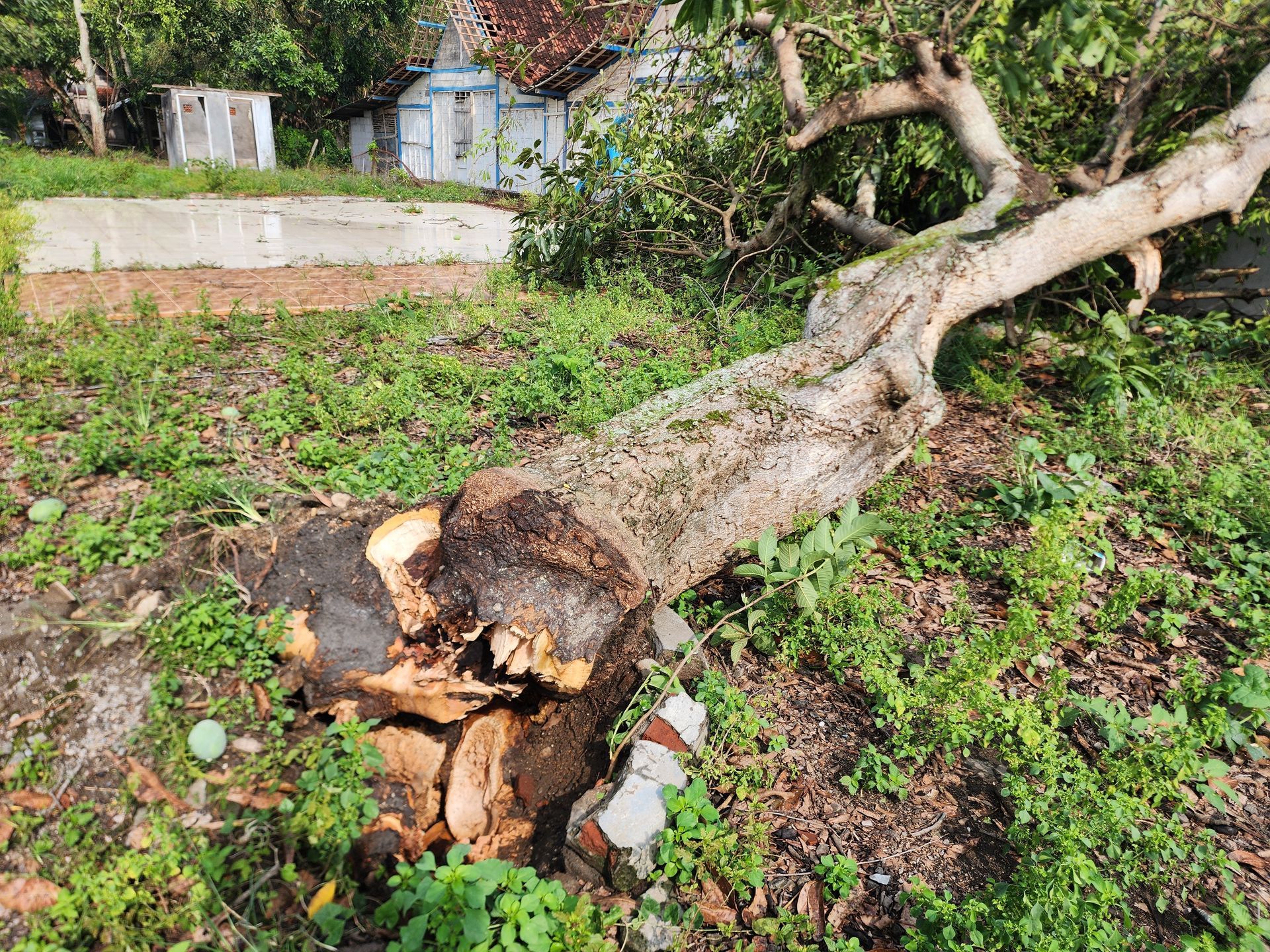
A sudden lean is one of the most urgent red flags, especially in Richmond Hill's sandy, moisture-variable soils where roots can shift after heavy rains. Root heave, where soil around the base buckles or lifts, suggests the root system can no longer anchor the tree. Deep vertical cracks or missing bark sections signal structural failure.
Dead Crown, Fungal Growth, and Storm Damage
A dead or thinning crown means the tree can no longer sustain itself. Fungal growth such as mushrooms or conks at the base or trunk often indicates internal decay invisible from the outside. Atlantic hurricane-season storms are especially common in coastal Bryan County, GA, and a tree with split unions or stripped limbs may be far weaker than it appears.
Quick Hazard Checklist
- Sudden or progressive lean toward a structure or power line.
- Soil heaving or lifting around the root zone.
- Vertical bark cracks, splits, or large missing bark sections.
- Sparse or dead crown with no new growth.
- Fungal brackets, mushrooms, or conks at the base or trunk.
- Broken limbs, split unions, or stripped bark following storm events.
Who Is Responsible When a Tree Is Hazardous in Georgia?
Georgia property law ties tree ownership to trunk location. If the trunk stands entirely on your lot, the tree is your responsibility. If it straddles the property line, both owners share responsibility.
The Negligence Standard
Georgia holds a tree owner liable for damage only when the owner had prior knowledge the tree was dangerous, knowledge that written notice, photos, or a professional assessment can establish. That is why prompt hazardous tree removal serving Richmond Hill, GA, matters near fence lines and adjacent structures.
Permits and Local Regulations
Permit requirements vary within Richmond Hill and its subdivisions; a qualified tree service can handle applications on your behalf.
When to Call a Professional vs. Monitor the Tree
Monitor If
- The tree has minor dead branches with no structural concern.
- A certified arborist confirms the lean is historical and stable.
Call a Professional Immediately If
- The tree leans toward a house, fence, or utility line.
- Fungal growth, root heave, or bark failure is present.
- Storm damage has split the crown or main trunk.
Schedule hazardous tree removal before hurricane season, which runs June through November in the Savannah metro area.
Frequently Asked Questions
What Makes a Tree Legally Hazardous in Georgia?
Georgia treats a tree as hazardous when it shows visible decay, disease, or instability; an owner who knew must act. Consult an attorney for specifics.
Can a Neighbor Force Me to Remove a Hazardous Tree?
A neighbor cannot force removal but can give written notice; liability may shift. They may trim branches to the property line. Ask an attorney.
How Quickly Does a Hazardous Tree Need to Be Removed?
A tree leaning toward a structure, with a split crown, or severe root heave needs removal within hours; early decay may allow a few days.
Get Help From a Team That Knows Richmond Hill
Tree Masters of Savannah Inc. has served greater Savannah for over 30 years, with 24/7 emergency availability and a fully insured crew. Call (912) 598-0140 for a free assessment or contact our team online.