
Common Tree Trimming Mistakes on Tybee Island, GA and How to Avoid Them
Tree trimming mistakes on Tybee Island, GA, can cost homeowners their trees, their landscapes, and sometimes their property during a coastal storm. This barrier island sits about eighteen miles east of Savannah. Atlantic salt air, sandy soil, hurricane-season winds, and a mix of live oaks, loblolly pines, and cabbage palms create conditions unlike any inland Georgia yard. What works for a tree in a suburban neighborhood may seriously damage a coastal specimen. Knowing the most common tree trimming errors, and how to avoid them, can help Tybee Island property owners protect what they have.
Topping: The Most Damaging Cut You Can Make
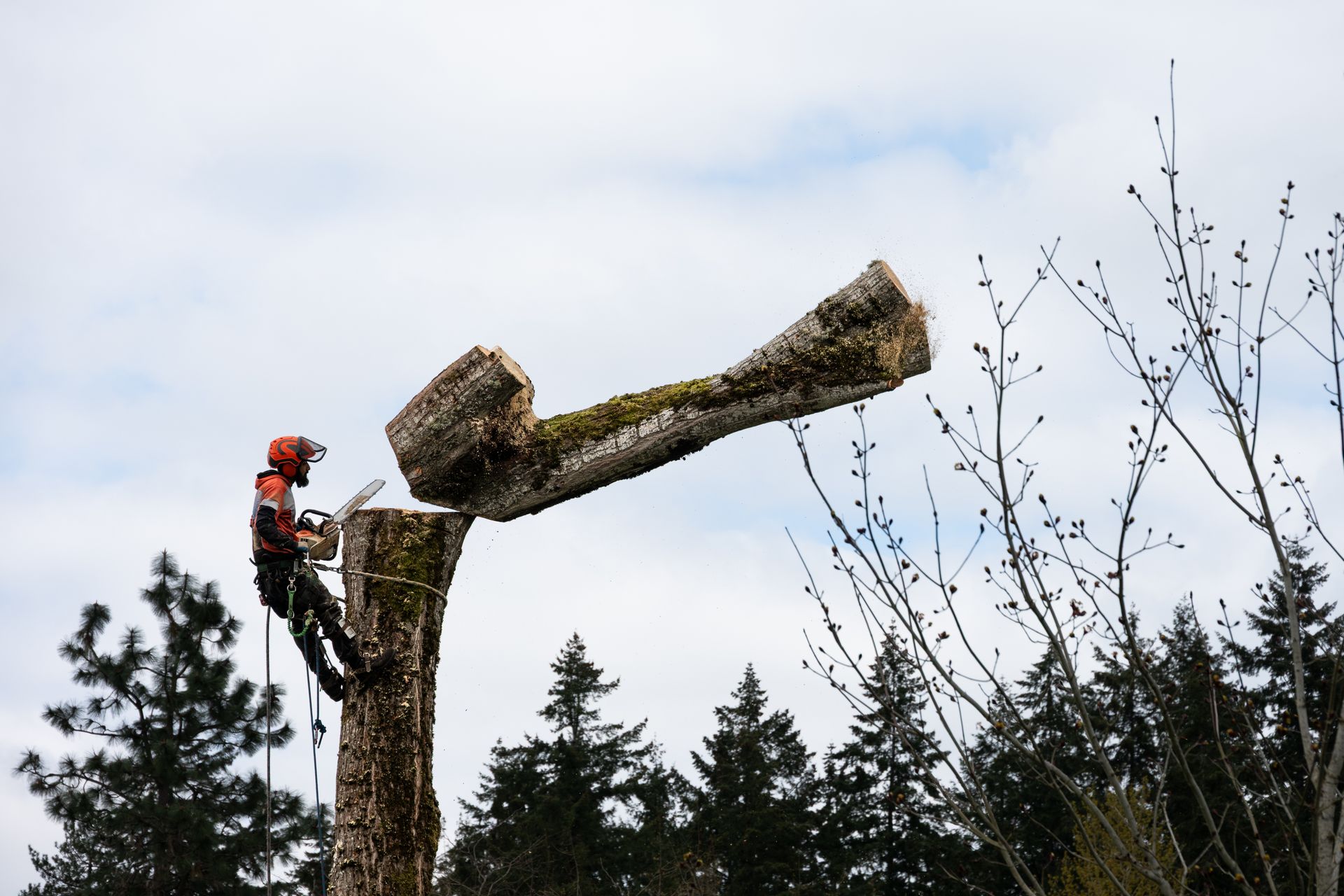
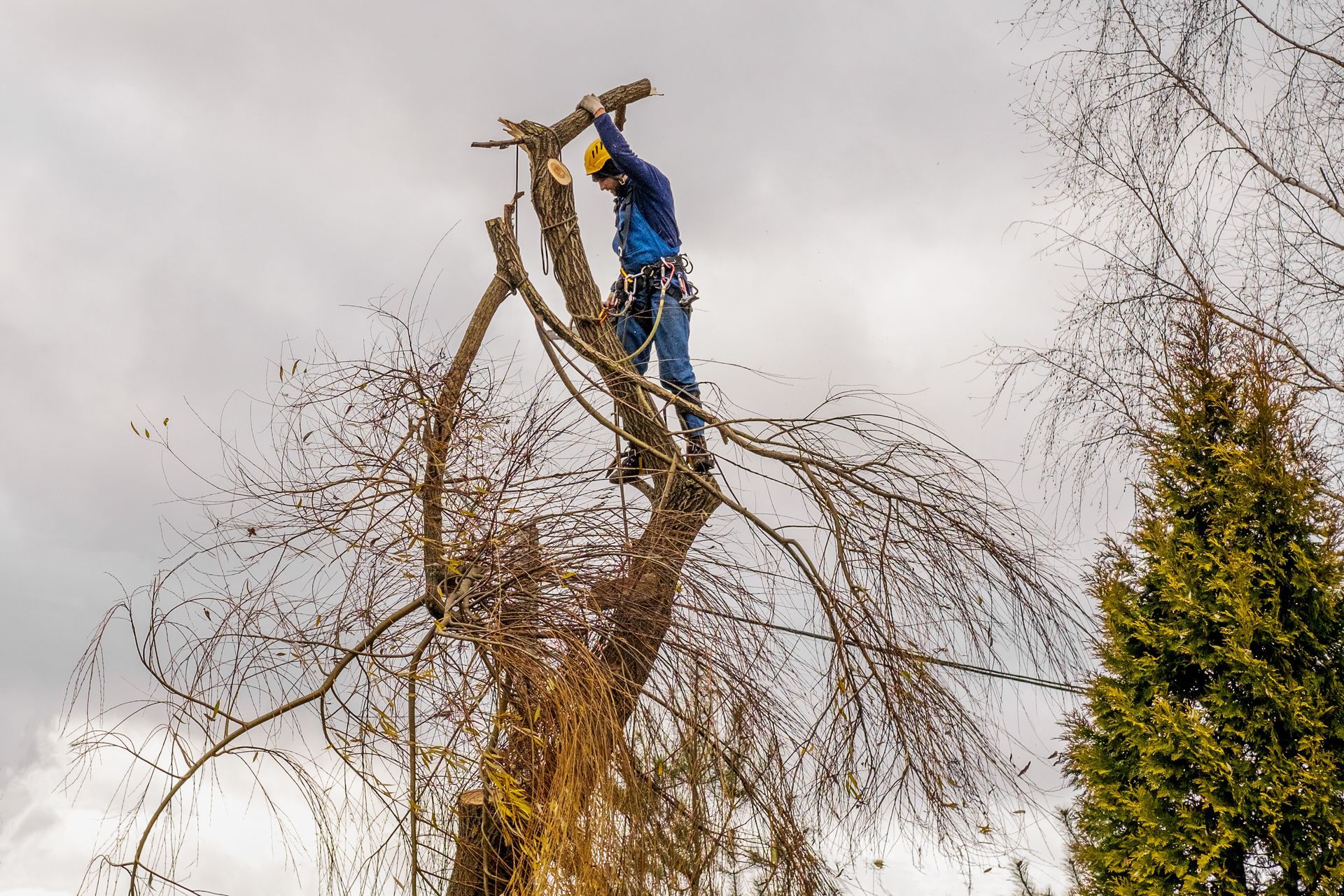
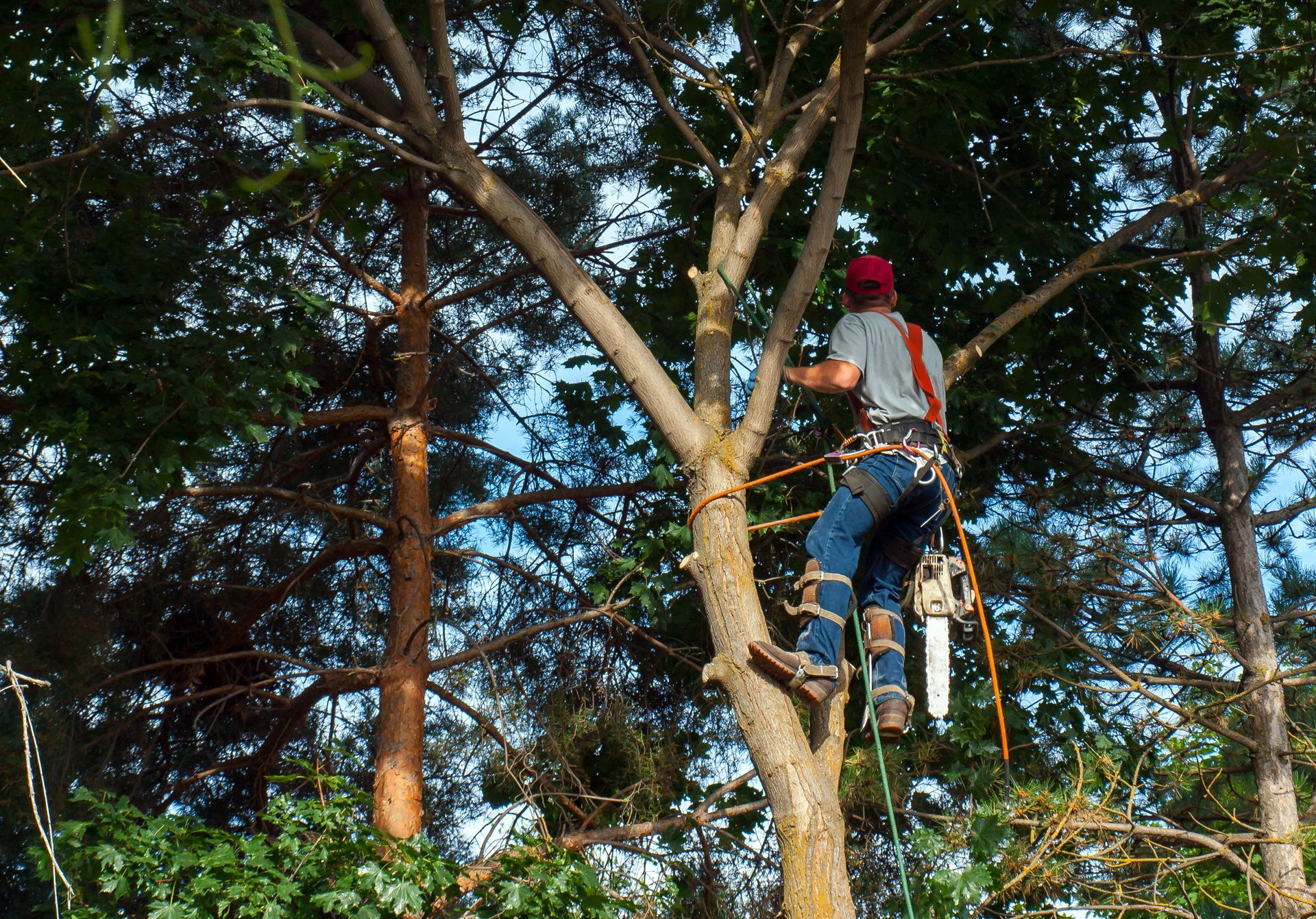
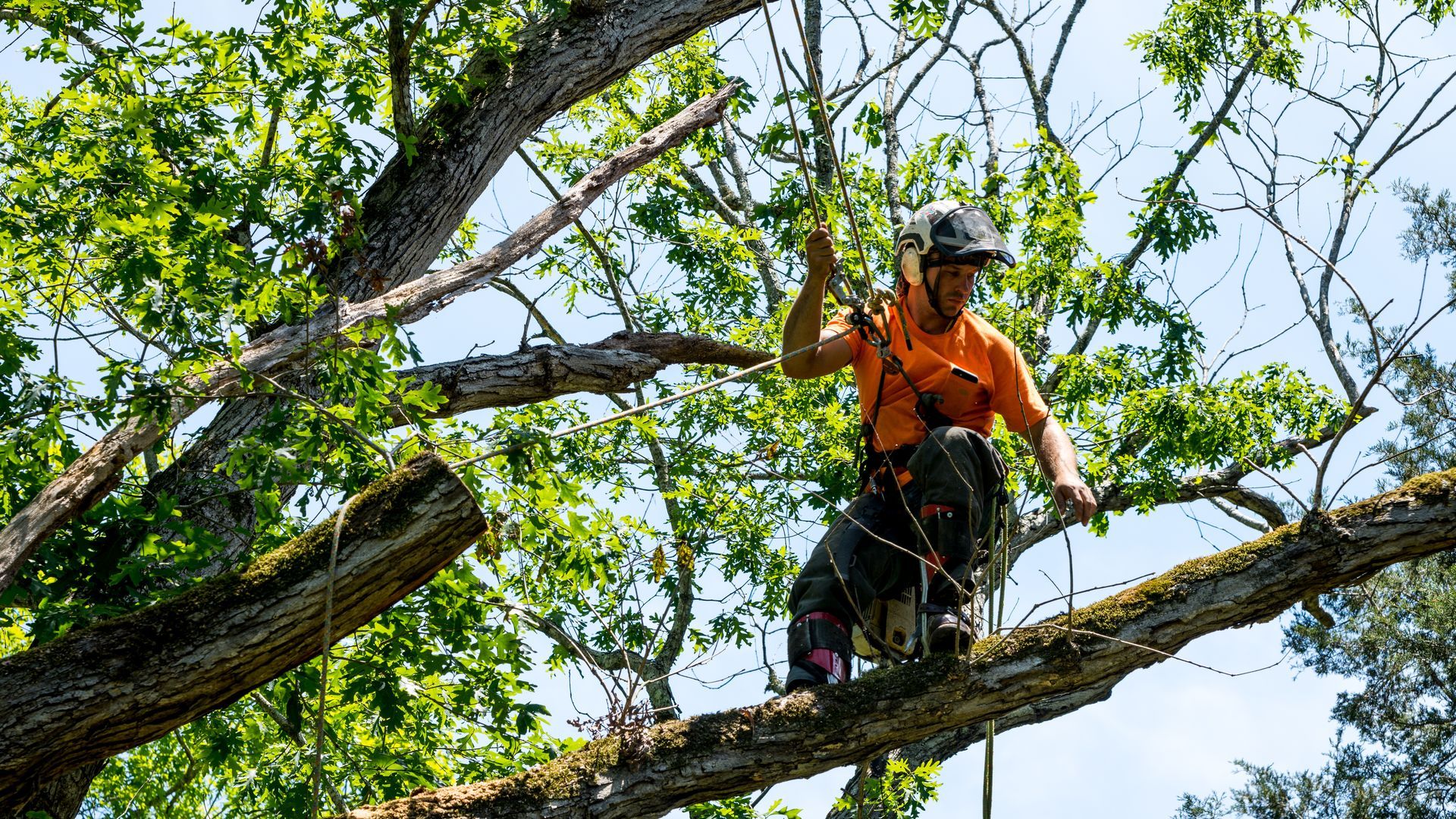
Topping is one of the most harmful practices in tree care. It means cutting a tree's main stem or large upper branches down to stubs, often in an attempt to reduce height. While it may seem like a quick fix, topping removes a large share of the tree's leaf surface, which the tree needs to produce food. The result is a weakened structure, rapid regrowth of weak, poorly attached shoots, and a tree that is far more vulnerable to wind damage, which is a serious concern given Tybee Island's hurricane exposure. A topped live oak or pine can become a liability during a tropical storm rather than the shade or windbreak it once provided.
Is Topping Bad for Trees?
Yes, tree topping is widely considered harmful by arboricultural professionals. It stresses the tree, causes decay at the cut sites, and encourages fast-growing but structurally weak branches called water sprouts. For Tybee Island trees already under stress from salt air and storm seasons, topping can shorten the life of an otherwise healthy specimen. Proper crown reduction, where branches are cut back to lateral growth points, can achieve a similar size reduction without the damage.
Over-Pruning Palms: A Common Coastal Mistake
Palm trees need careful, restrained trimming. Many property owners on Tybee Island over-prune their cabbage palms and saw palmettos by removing too many fronds at once. Only dead or brown fronds typically need to come off. Removing green fronds stresses the palm and pulls nutrients away from the growing tip. A palm that has been "hurricane cut," trimmed to resemble a feather duster, may actually be more susceptible to wind damage, not less, because it loses the crown density that offers some natural resistance. Healthy green fronds should generally be left in place.
How Often Should Palms Be Trimmed?
Most palms on Tybee Island, GA, may only need trimming once or twice per year. The right timing depends on the species and the condition of the fronds rather than a fixed schedule. Trimming too frequently, or removing green fronds to chase a "neat" appearance, can harm the tree over time. A professional assessment is the best way to determine the right interval for each tree on a property.
Trimming at the Wrong Time of Year
Timing matters for tree trimming. Cutting during certain periods can expose trees to insects and disease pathogens that move in quickly through fresh wounds. On Tybee Island, the warm, humid coastal climate means that fungal problems and boring insects can be active for a longer portion of the year than in cooler inland areas. Oaks, in particular, can be vulnerable to oak wilt if trimmed during periods of high beetle activity. Loblolly pines trimmed in certain seasons can attract pine beetles through the resin that flows from open cuts. Working with a knowledgeable local crew helps ensure trees are trimmed at the right time for the right species.
Ignoring Salt Stress When Planning Cuts
Salt stress is a real and ongoing factor for trees on Tybee Island. Salt spray carried by Atlantic winds deposits on leaves and bark, interfering with the tree's ability to absorb water. Trees under salt stress may already have reduced resources for healing. Making large cuts on a salt-stressed tree can slow wound closure and make the tree more susceptible to secondary problems like fungal infections or insect infestations. Before scheduling significant trimming work, it helps to have a professional evaluate the tree's overall health, especially if it is located close to the beach, the Back River, or the marshes along US Highway 80.
How to Avoid These Tree Trimming Mistakes
A short checklist can help Tybee Island property owners stay on track:
▸Never remove more than roughly one-quarter of a tree's live canopy in a single season.
▸Remove only dead, brown, or damaged palm fronds, and avoid "hurricane cutting" green fronds.
▸Schedule tree trimming outside of peak insect and disease activity periods for the specific species.
▸Have a professional assess salt stress before authorizing heavy pruning on coastal trees.
▸Always use proper pruning cuts to a lateral branch or bud rather than leaving stubs.
▸Hire a licensed, insured crew experienced with the coastal species and conditions specific to Tybee Island.
Palm care in particular benefits from local expertise. You can learn more about professional
palm tree trimming services on Tybee Island, GA to understand what a proper trim looks like for coastal palms.
Get Expert Help Serving Tybee Island, GA
When it comes to tree trimming on Tybee Island, the safest move is calling a crew that knows the barrier island environment. Tree Masters of Savannah Inc. serves Tybee Island, GA, with over 30 years of experience in tree care, trimming, pruning, storm cleanup, and emergency services. The team understands the specific demands that salt air, hurricane-season winds, and sandy coastal soil place on live oaks, pines, and palms. Avoid costly mistakes by letting professionals handle the work correctly the first time.
Call
(912) 598-0140 for a free estimate, or
contact the team online to schedule a visit. You can also read reviews and get directions through
Tree Masters of Savannah Inc. on Google.